
Equitable access to quality, affordable healthcare for all
The Upper Nile Institute of Public Health (UNIPH):
Bridges Healthcare Gaps
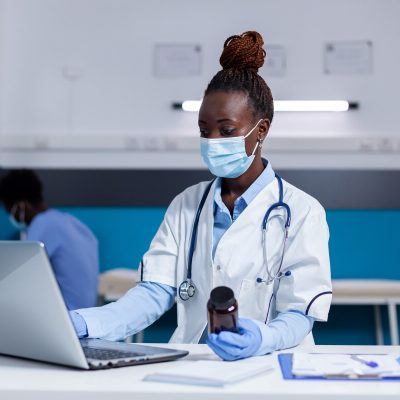
Remotely connects patients with qualified doctors and medical specialists.
Saves Healthcare Costs
Reduce financial and time costs associated with traveling long distances for an in-person care.
Improves Health Outcomes
Early disease detection and timely interventions improve care and overall health outcomes.
Our Story
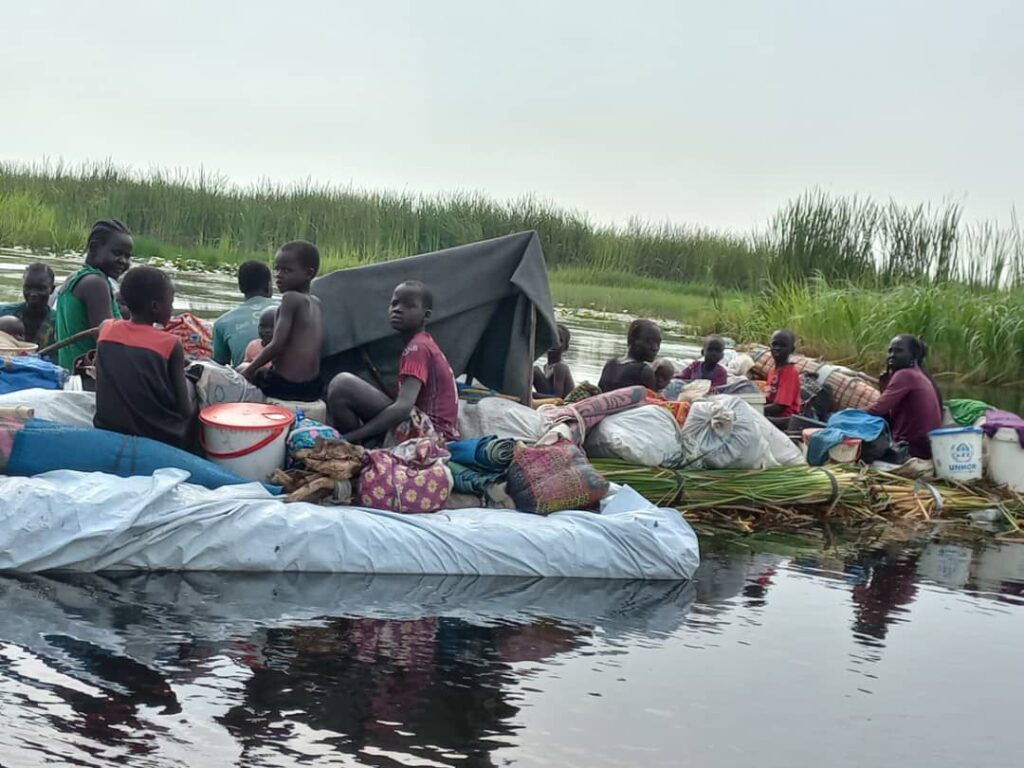
Medically underserved communities in East Africa, including forcibly displaced, rural and periurban populations, face significant barriers to accessing essential healthcare services. For individuals with medical conditions, reaching distant health centers often entails arduous journeys of 2 hours to 3 days, undertaken on foot, motorbikes, or canoes. This severely jeopardizes the health and well-being of vulnerable groups such as expectant mothers, children under five, the elderly, and those with physical impairments.
Key bottlenecks impeding equitable access to quality, affordable healthcare in these communities include; chronic shortage of qualified doctors, their uneven regional distribution, and limited capacity in the health system.
Founded in 2022, the Upper Nile Institute of Public Health (UNIPH) is dedicated to bridging healthcare gaps by enabling equitable access to quality, affordable healthcare services for all. We achieve this through sustainable ‘last-mile’ health solutions, robust healthcare workers capacity strengthening and disease prevention and control. Our commitment directly aligns with the Universal Health Coverage principle of ‘moving together to build a healthier world.
Our Health Solutions
Integrated, last-mile Healthcare solutions for patients, care providers and health systems

Patient care Journey
Provides last-mile Health Care solutions including solar-powered Digital Health to connect medically underserved communities to qualified care providers.
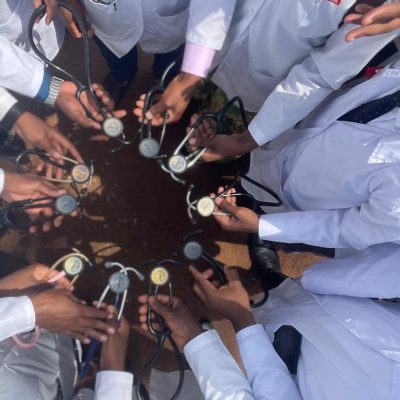
Capacity-building Training
Strengthens operational capabilities of grassroots healthcare personnel including training of technologically challenged community healthcare workers (CHWs) to achieve greater efficiency in delivering care.
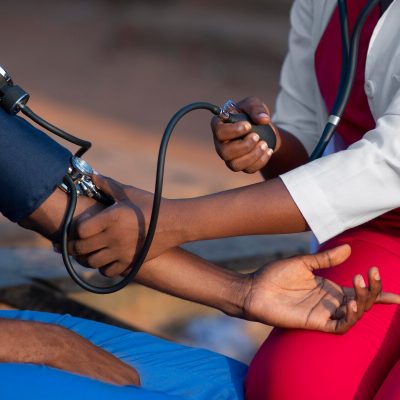
Disease Prevention & Control
Designs and engages in community surveillance, early detection systems and use of emerging healthcare technologies to prevent and control disease outbreaks.